8:00 a.m -6:00 p.m
-
-
-
RMZ Ecoworld, Bellandur, Outer Ring Road
8:00 a.m -6:00 p.m
RMZ Ecoworld, Bellandur, Outer Ring Road
Posted on January 06, 2026 by Dr. Sunanda kolhe
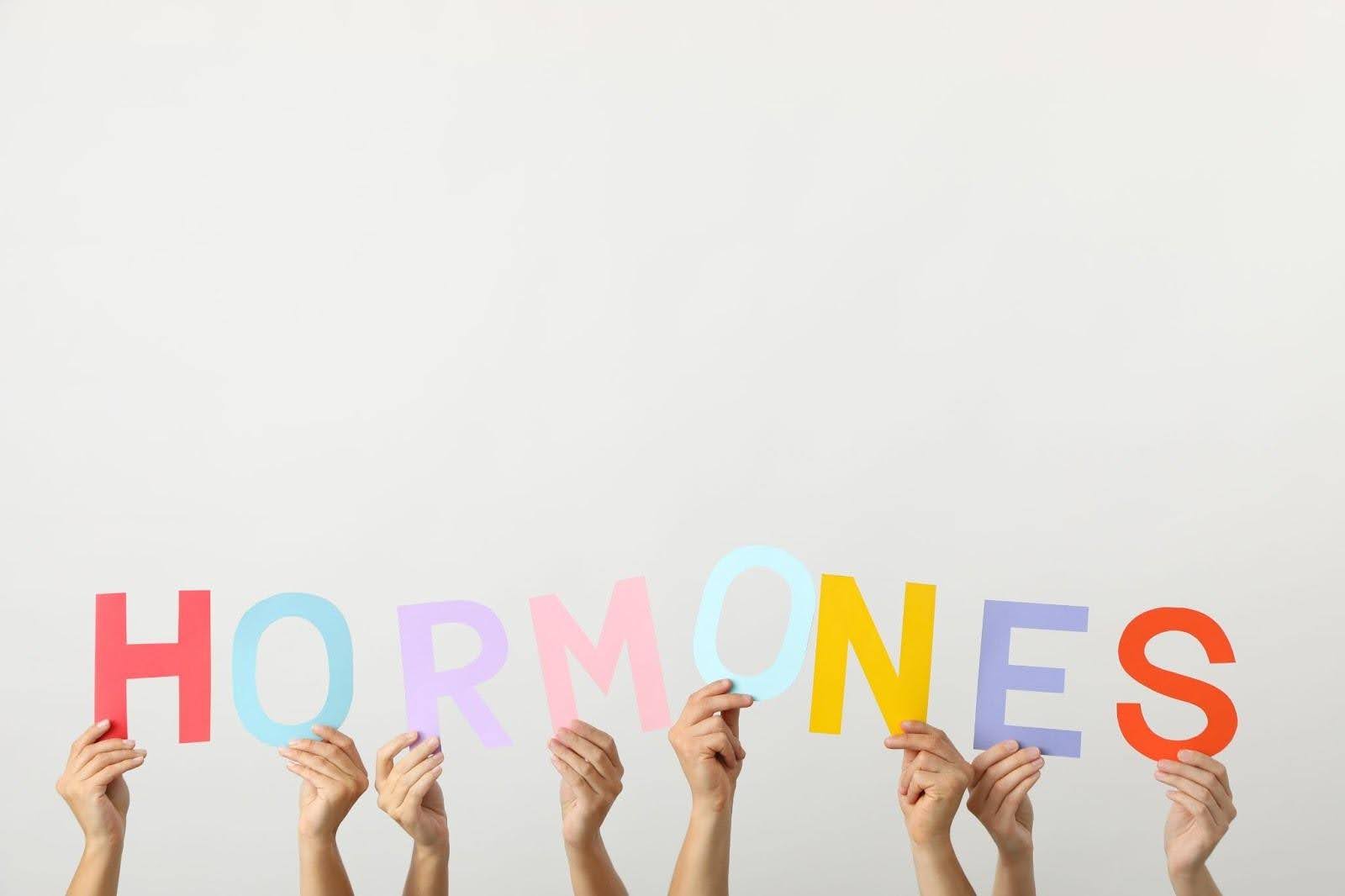
Hormones are often described as the body’s messengers — invisible chemical signals that quietly shape mood, motivation, energy, and emotion. They regulate everything from sleep and metabolism to focus and even how loved or safe we feel.
Yet, when these rhythms fluctuate — as they naturally do during adolescence, menstruation, pregnancy, postpartum, perimenopause, or menopause — the mind often gets caught in the crossfire.
For many women, the emotional turbulence that accompanies hormonal change isn’t simply “moodiness” or “overreaction.” It is the body asking to be understood. Navigating these transitions with awareness means learning to listen, adjust, and respond to what the body is telling us — without guilt or dismissal.
Hormones and the brain exist in a dynamic partnership. Every shift in hormonal levels alters the balance of neurotransmitters like serotonin, dopamine, and GABA — the very chemicals that regulate mood and focus.
When oestrogen dips, serotonin production can falter, often resulting in irritability, anxiety, or mental fog. Similarly, when progesterone rises, it can produce a sense of calm, until sudden withdrawal brings tension or sadness.
What makes this relationship complex is that it’s bi-directional. The brain also affects the endocrine system. Chronic worry, poor sleep, or emotional suppression signal the release of cortisol — the stress hormone — which in turn interferes with sex hormones and thyroid function.
In other words, emotional stress isn’t purely psychological. It lives in the bloodstream.
When the nervous system is in constant “alert mode,” hormonal rhythms lose their natural softness and flow. The menstrual cycle becomes erratic. Sleep shortens. Fatigue becomes chronic. And mental health feels like walking on uneven ground.
Learning to stabilize this inner conversation between body and mind is the foundation of hormonal and emotional equilibrium.
Every woman’s journey involves transitions marked by subtle or dramatic biological change. Each phase carries an emotional language of its own.
Puberty releases a surge of sex hormones that sculpt the brain’s emotional centres. This phase often brings waves of mood swings, self-consciousness, and identity questions. Empathy and communication during these years are essential predictors of emotional resilience later in life.
Throughout the month, oestrogen and progesterone levels dance in a sequence that influences both mental and physical states.
Tracking emotional patterns across these phases allows women to separate biology-driven shifts from other stressors and plan rest or productivity accordingly.
During pregnancy, oestrogen and progesterone surge to sustain growth and prepare the body for motherhood. Post-birth, their abrupt decline, combined with exhaustion and identity strain, often destabilizes emotional balance. It’s common — even expected — for women to feel overwhelmed, anxious, or detached after childbirth. When these feelings persist beyond a couple of weeks, they may indicate postpartum depression, which deserves immediate care, not quiet endurance.
Perimenopause marks a gradual winding down of reproductive hormones, but emotionally it can feel like an earthquake. Declining oestrogen affects serotonin and dopamine networks, leading to irritability, anxious rumination, or low-grade depression. Menopause itself is not a disease; it’s a transition. Yet it calls for re-learning how to nourish and regulate the body in this new landscape — nutritionally, emotionally, and socially.

Hormonal Disorders
Conditions such as Polycystic Ovary Syndrome (PCOS), endometriosis, or thyroid imbalance are increasingly common. Beyond physical symptoms, these conditions carry psychological effects — body image issues, frustration over fatigue, or fears of infertility — often unspoken yet deeply felt.
Hormonal health is inseparable from emotional dignity. Managing such conditions must include attention to both lab results and mental space.
While most conversations about hormones revolve around oestrogen or progesterone, cortisol quietly orchestrates much of the imbalance modern women experience.
Produced by the adrenal glands during stress, cortisol was evolutionarily designed as a short-term survival tool. In a balanced system, it rises during the day and recedes at night. But constant responsibility, digital alertness, emotional caretaking, and lack of rest keep cortisol chronically elevated.
Persistently high cortisol disrupts almost every other hormonal process:
This feedback loop — where emotional stress disturbs hormonal balance, which in turn worsens mood — can feel endless unless addressed from both directions. Managing stress is not a luxury; it is biochemical maintenance.
Hormones speak through feelings as much as through physical symptoms. Some emotional shifts are common signals that your internal rhythms need support:
These emotions aren’t moral failures or signs of weakness — they’re feedback. Treating emotional response as data, not deficiency, is a radical act of respect toward one’s body.
Our daily rhythms — what we eat, how we rest, how we think — are hormonal regulators in disguise. Small but consistent routines can do more for equilibrium than extreme interventions.
The body uses fats, proteins, and micronutrients to produce hormones. Crash diets, prolonged fasting, or restrictive eating can interrupt this process. Opt for whole, unprocessed meals: seeds, nuts, leafy greens, antioxidant-rich vegetables, and healthy fats like olive or coconut oil. Caffeine and sugar, when overused, may amplify cortisol spikes or worsen PMS anxiety.
Hormone restoration happens largely at night. Insufficient sleep raises cortisol and disturbs the balance of leptin and ghrelin — hormones that control hunger and metabolism. To protect this crucial window, maintain a consistent sleep schedule and treat bedtime as emotional decompression, not scrolling time.

Physical activity regulates insulin, boosts mood-related neurotransmitters, and enhances progesterone sensitivity. The goal is not intensity but rhythm — movement that resets the mind as much as the muscles. Yoga, walks, dance, or swimming help release endorphins that act as natural antidepressants.
Women often report that emotional exhaustion precedes any physical symptom. Saying no, taking breaks, and protecting alone time are hormonal strategies disguised as psychological ones.
The endocrine system thrives in an environment of internal safety. The mind cannot force biochemical stability, but it can invite it.
Short daily mindfulness practices — simply observing breath or sensing bodily calm — reduce sympathetic nervous system activation. Consistent meditation practice has been shown to lower cortisol and increase serotonin, leading to improved cycle regularity and mood stability.
Self-blame often accompanies hormonal shifts: “I’m being too emotional” or “I should handle this better.” Reframing these thoughts into acknowledgment — “My body is recalibrating, I need patience” — reduces stress reactivity and fosters compassion.
Professional counselling can help disentangle the emotional roots of stress and hormonal imbalance. Many women find relief when they learn emotion-regulation tools, assertive communication, or trauma-informed self-care that indirectly balance biological rhythms.
Journaling mood alongside cycle phases clarifies patterns. Understanding that irritability often peaks right before menstruation prevents unnecessary guilt and helps communicate needs more clearly to partners or work environments.
Emotional self-awareness doesn’t replace medical care. Regular screenings for thyroid, reproductive health, and vitamin levels create a holistic picture.
If severe mood changes, fatigue, or irregular cycles persist, it’s essential to consult both a healthcare provider and a mental health specialist. An integrative approach — where physicians and therapists collaborate — brings the most sustainable results.
Hormone replacement therapies, when appropriate, can ease transitions like menopause. Similarly, psychotherapy or medication may stabilize mood during intense phases. Seeking such help is not weakness; it’s intelligent self-stewardship.
Across cultures, women’s emotional changes have long been minimized or mocked. Terms like “hormonal” or “PMS-ing” are often used dismissively, reinforcing shame around natural biological shifts.
This silence is not benign. When women internalize the idea that emotional waves make them unreliable or dramatic, they suppress feeling — raising stress, lowering self-trust, and ironically worsening the very symptoms they fear.
The path forward lies in normalizing these experiences — not as medical pathologies, but as biological conversations. Emotional change doesn’t make a woman unstable; it makes her alive and adaptive.
Many women equate emotional control with strength. But real strength is not stoicism; it’s the capacity to adapt without breaking, to rest without guilt, and to care without complete self-erasure.
Hormonal transitions invite this kind of strength — nuanced, flexible, self-tending. To navigate them without losing mental well-being means redefining success not as constant productivity, but as alignment.
Some days the body asks for action, others for stillness. Listening to that request is an act of wisdom.
The most sustainable approach to hormonal health isn’t to fight biology; it’s to cooperate with it. This integration involves three complementary dimensions:
When these dimensions are aligned, mental clarity, energy, and hormonal balance stabilize naturally. Healing becomes less about control and more about presence.
Hormonal health thrives in environments of connection, not isolation. Loneliness magnifies both cortisol and inflammation. Caring relationships and community support act as natural stabilizers.
Oxytocin — the bonding hormone — increases through affection, laughter, shared meals, and empathy. These simple acts shift biochemistry toward calm.
Investing in emotional closeness, whether friendships, therapy groups, or family communication, is not sentimental; it’s physiological care.
Balance doesn’t mean erasing emotional variability. It means having capacity — enough rest, awareness, and self-compassion to respond well when those changes arise.
Hormonal transitions are rhythms, not failures of consistency.
To live well within them requires self-leadership: the willingness to meet change with curiosity instead of resistance.
Each hormonal shift is an invitation — to realign priorities, to simplify, to slow down, to reconnect with the deeper intelligence the body carries. When the body whispers, the wise response is to listen, not override.
To navigate hormonal shifts without ignoring mental health, remember three essentials:
Your hormones are not enemies to manage but rhythms to live in tune with. Understanding them turns struggle into communication and stress into awareness. Healing, after all, begins not with balance achieved, but with respect restored.